How much does a new roof cost in Sanford, FL?
Most architectural shingle replacements on a typical 1,800–2,200 sq ft Sanford-area home run about $11,000 to $19,000. Standing seam metal and tile roofs usually range from about $24,000 to $48,000, depending on size and complexity. The biggest variables are material, roof pitch, the number of valleys and penetrations, and how much rotted decking turns up after tear-off. Older historic homes and steep roofs cost more. Simple low-slope CBS ranches cost less. After the inspection, we give you a written, line-item estimate, and financing is available if you need it.
How long does a roof replacement take?
The installation itself usually takes 1–3 days for an average shingle home. Tile, metal, large or steep historic roofs can take a week or more. The full timeline, including permits, is often 2–4 weeks. HOA architectural review in communities like Heathrow or Tuscawilla, or a Certificate of Appropriateness in Sanford's historic districts, can add time. After a major hurricane, demand surges region-wide and timelines stretch, which is one more reason to replace an aging roof before storm season instead of after it.
Do I need a permit to replace my roof in Sanford?
Yes. Re-roofing in Florida requires a building permit. Depending on your address, it comes from the City of Sanford, Lake Mary, Seminole County (for unincorporated areas like Heathrow, Geneva and Chuluota), Volusia County (Osteen and Enterprise), or your city's department in DeBary, Deltona, Orange City or Lake Helen. Inspectors typically check sheathing nailing and underlayment mid-project, then do a final inspection. Homes in Sanford's historic districts may also need Historic Preservation Board approval for visible changes. We handle the permit paperwork and inspection scheduling.
My insurance company says my roof is too old. What should I do?
Act quickly, but don't panic. Many insurers decline to renew policies on roofs around 15 years or older, or they require a passing four-point inspection. Start with a professional roof inspection so you know whether the roof needs repair or full replacement. If you replace it, ask for the documentation your underwriter and wind mitigation inspector need, such as sealed deck and nailing details, because those features may lower your premium. Financing can help you meet a tight deadline. Let us know the deadline date so we can plan around it.
When is a leak an emergency, and when can it wait?
Call right away if water is actively dripping inside, a ceiling is sagging or stained and spreading, a limb has punctured the roof, or shingles or tiles have blown off and exposed the underlayment. In Sanford's summer pattern, another storm is usually only a day away, so an open roof can do serious damage fast. Small stains that haven't changed, a few loose granules or algae streaks can wait for a scheduled inspection. But don't let them go past the next rainy season.
Should I choose shingle, metal or tile for a Sanford home?
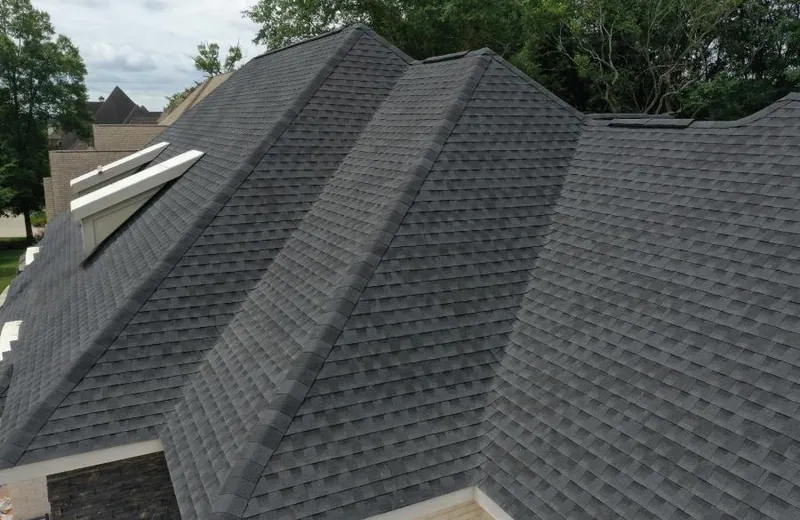
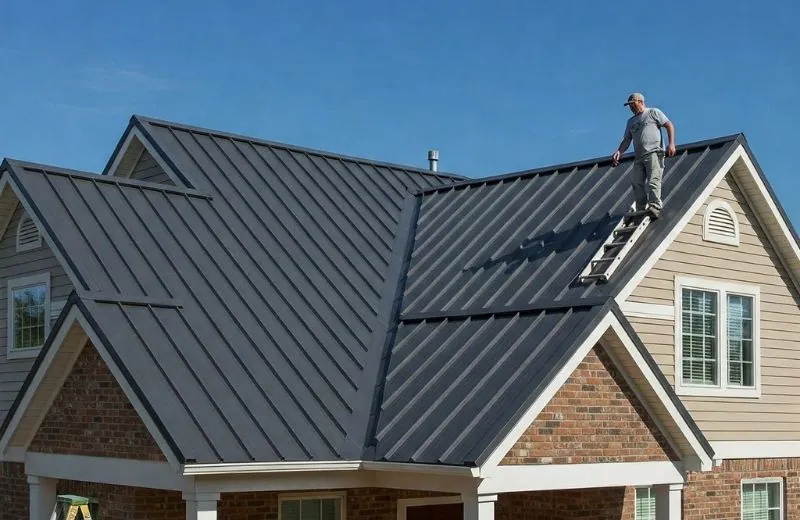
It depends on budget, how long you'll stay, and your HOA or historic rules. Architectural shingles cost the least upfront and last about 15–20 years here. Standing seam metal costs more but can last 40-plus years, handles high wind well and reflects heat, which makes it popular in Geneva, Osteen and on historic homes that originally had metal. Tile lasts a long time and suits Heathrow and Alaqua, but its underlayment needs replacing every couple of decades. We'll compare wind rating, lifespan, heat performance and insurance treatment for your specific house.
How can I prevent roof problems in Central Florida's climate?
Schedule an inspection each spring, before hurricane season starts June 1, and after any major storm. Keep gutters and valleys clear of oak leaves and Spanish moss, and trim limbs that hang over the roof. Replace cracked pipe boots before they leak, because UV wears them out years ahead of the shingles. Make sure your attic has balanced intake and exhaust ventilation to reduce heat damage. For flat porch roofs, look for ponding after storms. Algae-resistant shingles and gutter guards help a lot under heavy canopy.
Does Florida's 25% rule mean I have to replace my whole roof?
Not always. Under the 2022 changes, if your roof was built to the 2007 Florida Building Code or later, repairing more than 25% no longer forces you to replace the undamaged portion. Older roofs, which includes many in Sanford, Deltona and DeBary built before 2007, can still trigger a full replacement when more than 25% of the roof needs repair within a 12-month period. During the inspection, we check your roof's age and the extent of damage so you know which situation you're in before you make any decisions.